

Commercial & Residential Oil Tanks
Fuel Oil Tank Services: Installation, Removal & Maintenance
Your fuel oil tank plays an important role in keeping your heating system running safely and reliably. Whether you need a new installation, removal of an aging tank, routine maintenance, or a complete replacement, HOP Energy provides fuel oil tank services across the Northeast for residential and commercial customers.
Our fuel oil tank services include:
Heating oil tank installation
Oil tank removal
Heating oil tank replacement
Oil tank inspection and maintenance
Leak detection and service
Residential and commercial fuel tank solutions
If you need urgent assistance, emergency service is available to help restore safe operation.
Oil Tank Installation
Installing a new heating oil tank is an opportunity to improve reliability, efficiency, and peace of mind.
HOP Energy installs home heating oil tanks for residential and commercial properties, including new systems, replacement tanks, and upgrades for aging equipment. Our team helps evaluate tank placement, capacity needs, local code requirements, and installation considerations so your system is built for dependable performance and long-term safety.
Installation services include:

Fuel oil tank installation

Above-ground oil tank installation

Indoor and basement tank installation

Residential oil tank installation
Commercial oil tank installation
Heating oil tank replacement projects
Need fuel after installation? Learn about our Heating Oil Delivery.
Oil Tank Removal
Removing an old oil tank requires careful planning and proper handling to help protect your property and support local compliance requirements.
HOP Energy provides safe removal services for both above-ground and underground systems. Whether you are removing a disconnected tank or replacing an older system, our team helps make the process as straightforward as possible.
Removal services may include:
- Oil tank assessment and planning
- Fuel removal and preparation
- Above-ground oil tank removal
- Underground oil tank removal
- Disposal coordination
- Site cleanup guidance
Oil tank removal should be handled carefully to help protect your property and support local requirements. Before attempting removal yourself, read How to Safely Remove an Old Heating Oil Tank to understand what the process involves.
Heating Oil Tank Replacement
Even well-maintained tanks eventually reach the point where replacement becomes the safer and more cost-effective option.
If your heating oil tank is showing signs of age or deterioration, replacing it before failure can help prevent emergency repairs and unexpected interruptions.
Signs it may be time for heating oil tank replacement:
- Visible rust or corrosion
- Leaks or fuel odors
- Uneven settling or unstable supports
- Condensation or water buildup
- Recurring service issues
- Aging equipment approaching expected lifespan
Not sure whether to repair or replace? Our technicians can assess your system and recommend the best next step.
Oil Tank Inspection & Maintenance
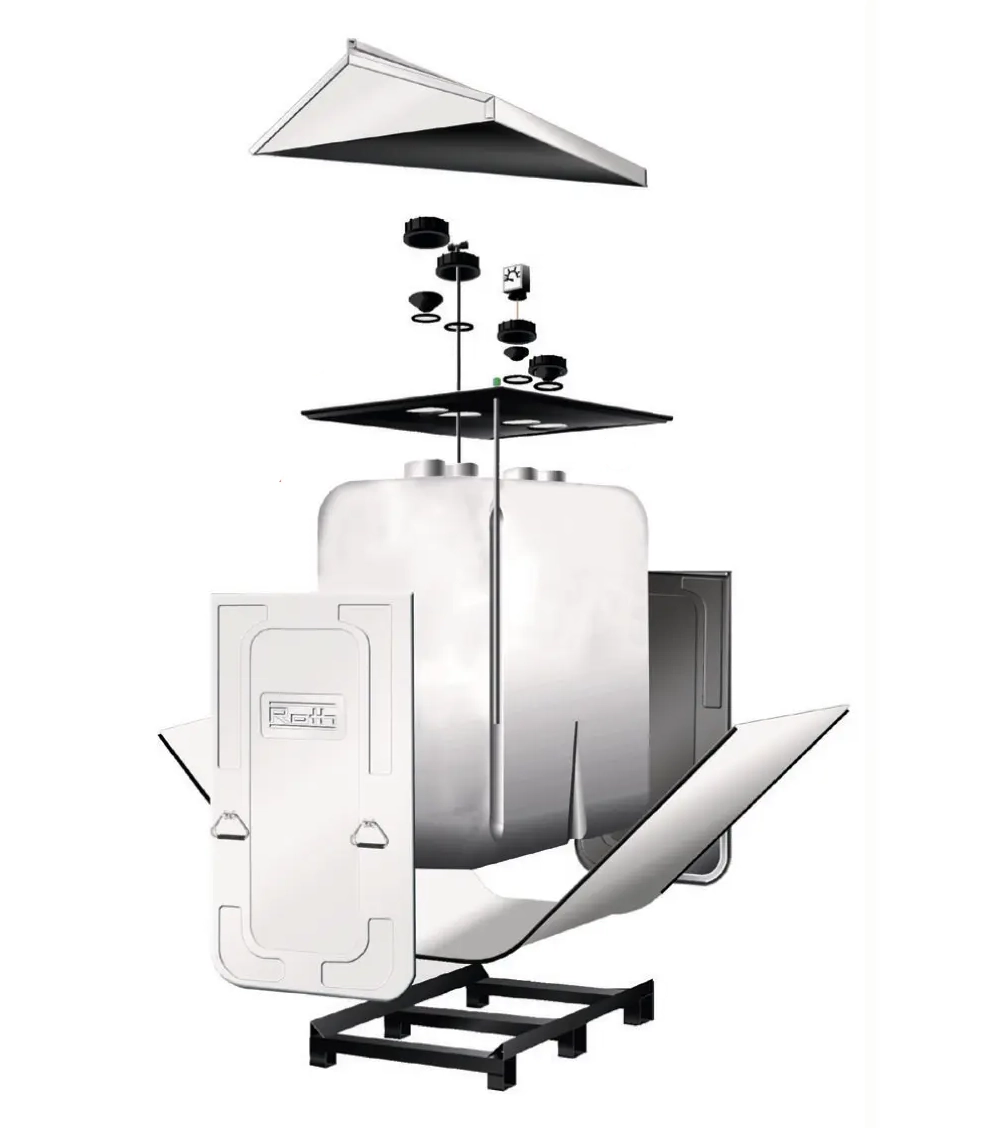
Routine maintenance plays a major role in extending the life of your residential oil tank and helping avoid preventable repairs.
Annual oil tank inspections allow technicians to identify signs of wear early and confirm that your system remains in good condition.
Maintenance services may include:
- Oil tank inspection
- Leak detection checks
- Corrosion monitoring
- Fuel line review
- Vent and fill pipe inspection
- Preventive maintenance recommendations
Preventive care can help reduce downtime and support more reliable fuel delivery during peak heating season. For heating oil delivery customers, routine tank inspections can also help reduce unexpected interruptions and support more dependable deliveries throughout the season.
Looking for complete home comfort support? Explore HVAC Services.
Above-Ground vs. Underground Oil Tanks
Understanding your current setup can make it easier to plan for installation, maintenance, or replacement.
Above-Ground Oil Tanks
- Easier access for inspections and service
- Simpler installation and replacement
- Faster maintenance and troubleshooting
- Common in residential applications
Underground Oil Tanks
- Hidden from view
- May require additional permitting considerations
- Removal can involve more planning
- Benefit from periodic inspection and monitoring
Check out our Above-Ground vs. Underground Tank Comparison to help determine which solution makes the most sense for your property.
Residential & Commercial Fuel Oil Tank Services
Residential Oil Tank Service
Your heating oil tank supports your home’s comfort and heating performance throughout the year. HOP Energy helps homeowners maintain reliable fuel storage through installation, maintenance, replacement, and removal services.
Pair your tank service with Heating Oil Delivery.
Commercial Oil Tank Service
Commercial properties depend on reliable heating infrastructure to maintain operations and occupant comfort.
HOP Energy supports commercial customers with fuel tank services designed to minimize disruption and support long term performance.
Explore additional Commercial HVAC Services.
Service Areas
HOP Energy provides fuel oil tank services throughout our Northeast service territory, including:
Browse your local branch through the Locations Hub to confirm service availability.
Why Choose HOP for Fuel Tank Services?
Fuel tank work requires experience, attention to detail, and a provider who understands both heating systems and fuel delivery.
Customers choose HOP Energy because we offer:
- Installation, maintenance, removal, and replacement services
- Residential and commercial expertise
- Licensed and insured service professionals
- Emergency support availability
- Heating oil delivery and HVAC services under one provider
- Local service backed by regional coverage
From annual inspections to complete tank replacement, our team helps keep your fuel system operating safely and reliably.
Frequently Asked Questions
Most home heating oil tanks last about 15 to 30 years depending on where the tank is installed, environmental conditions, maintenance history, and overall tank quality. Indoor above-ground tanks often last longer than outdoor systems because they are less exposed to moisture and temperature changes. Annual inspections can help identify signs of wear before they become serious issues.
Permit requirements vary by state, municipality, and the type of project being completed. New tank installation, underground oil tank removal, and certain replacement projects may require permits or inspections. HOP Energy can help explain local requirements and coordinate next steps where applicable.
Oil tank removal costs depend on factors like tank size, accessibility, whether fuel needs to be removed first, and whether the tank is above ground or underground. Underground oil tank removal projects may involve additional labor or site requirements. A professional assessment is the best way to receive accurate pricing.
Requirements vary by location, but leaving an unused heating oil tank in place is not always recommended. Older tanks can continue to deteriorate over time and may create concerns during home sales, renovations, or insurance reviews. Removal may be the safer long term option.
Most homeowners benefit from having their oil tank inspected annually. Regular inspections help identify corrosion, leaks, wear, and performance concerns before they lead to more expensive repairs or replacement.
Yes. Routine oil tank maintenance can help extend tank life, support reliable fuel delivery, and reduce the risk of leaks or unexpected service interruptions. Maintenance may include visual inspections, leak checks, and recommendations for preventive service.
Many residential oil tanks include a manufacturer label that lists tank capacity. If the label is missing or difficult to read, a technician can help determine the approximate size based on dimensions and fuel usage.
Residential heating oil tanks vary in size, but one of the most common capacities is 275 gallons. Actual usable capacity may differ depending on tank design and installation.
How long a tank lasts depends on home size, outdoor temperatures, insulation, thermostat settings, and overall heating demand. During colder winter months, usage is typically higher than during milder weather.
Regular maintenance, timely tank replacement, efficient heating equipment, and delivery plans can all help improve fuel efficiency and reduce heating costs over time.
Outdoor oil tanks are common in some homes and can work well when installed correctly. Outdoor placement should account for weather exposure, maintenance access, and local requirements.
Yes. Heating oil tank installation, removal, and replacement are often subject to state and local requirements related to safety, placement, and environmental protection. Requirements vary by location.
Small issues may sometimes be repaired, but replacement is often recommended when a tank shows significant corrosion, repeated leaks, structural concerns, or advanced age. A professional inspection can help determine the best path forward.
Your Trusted Full‑Service Energy Provider
No matter what your energy needs look like, our team is here to help. Connect with us to find custom-tailored solutions today.
- New Customer: 866-395-7220
- Customer Service: 833-837-7690
- 4 International Drive, Suite 210, Rye Brook, NY 10573